Wedding Music Genres: Classical vs Jazz for Your Big Day
- Jul 1
- 8 min read

Choosing between wedding music genres classical vs jazz is one of the most consequential decisions you will make for your ceremony and reception. Classical music delivers emotional gravity and timeless formality, while jazz brings warmth, energy, and a sophisticated social pulse. The two genres are not rivals. They are partners, each suited to a different phase of your wedding day. Understanding that distinction is the key to building a music plan that feels intentional from the first processional note to the last dance.
What defines classical wedding music and its ideal uses?
Classical wedding music is defined by its structured composition, emotional weight, and centuries of ceremonial use. Pieces like Pachelbel’s Canon in D, Handel’s Ombra mai fu, and Mendelssohn’s Wedding March carry a sense of occasion that no other genre matches. That emotional gravity is precisely why classical music is preferred for ceremonial moments. It signals to every guest that something significant is happening.
The ceremony breaks into three distinct musical roles: the prelude, the processional, and the recessional. The prelude plays as guests are seated, typically 20–30 minutes before the ceremony begins. The processional accompanies the wedding party’s entrance. The recessional closes the ceremony as the couple exits. Each moment calls for a different emotional register, and classical repertoire has a piece for all three.
Common classical pieces for each ceremony role:
Prelude: Debussy’s Clair de Lune, Bach’s Air on the G String, Satie’s Gymnopédie No. 1
Processional: Pachelbel’s Canon in D, Handel’s Ombra mai fu, Clarke’s Trumpet Voluntary
Recessional: Mendelssohn’s Wedding March, Beethoven’s Ode to Joy, Vivaldi’s Spring from The Four Seasons
One planning error trips up more couples than any other. Confusing Wagner’s Bridal Chorus with Mendelssohn’s Wedding March is the most common ceremony music mistake. Wagner’s piece (“Here Comes the Bride”) is the processional. Mendelssohn’s is the recessional. Swapping them disorients guests and disrupts the ceremony’s emotional arc.
Cultural and liturgical context also matters. Mendelssohn’s Wedding March has denominational guidelines in some religious traditions. Verify acceptability with your officiant before locking in any piece with liturgical history. A Catholic or Orthodox ceremony may have specific restrictions on secular compositions.
Pro Tip: Ask your musician for a recorded demo of your processional piece at the exact tempo you want. Tempo changes the entire feel of a classical piece. Pachelbel’s Canon at 60 BPM feels solemn; at 80 BPM it feels almost brisk.
How does jazz music enhance wedding receptions?
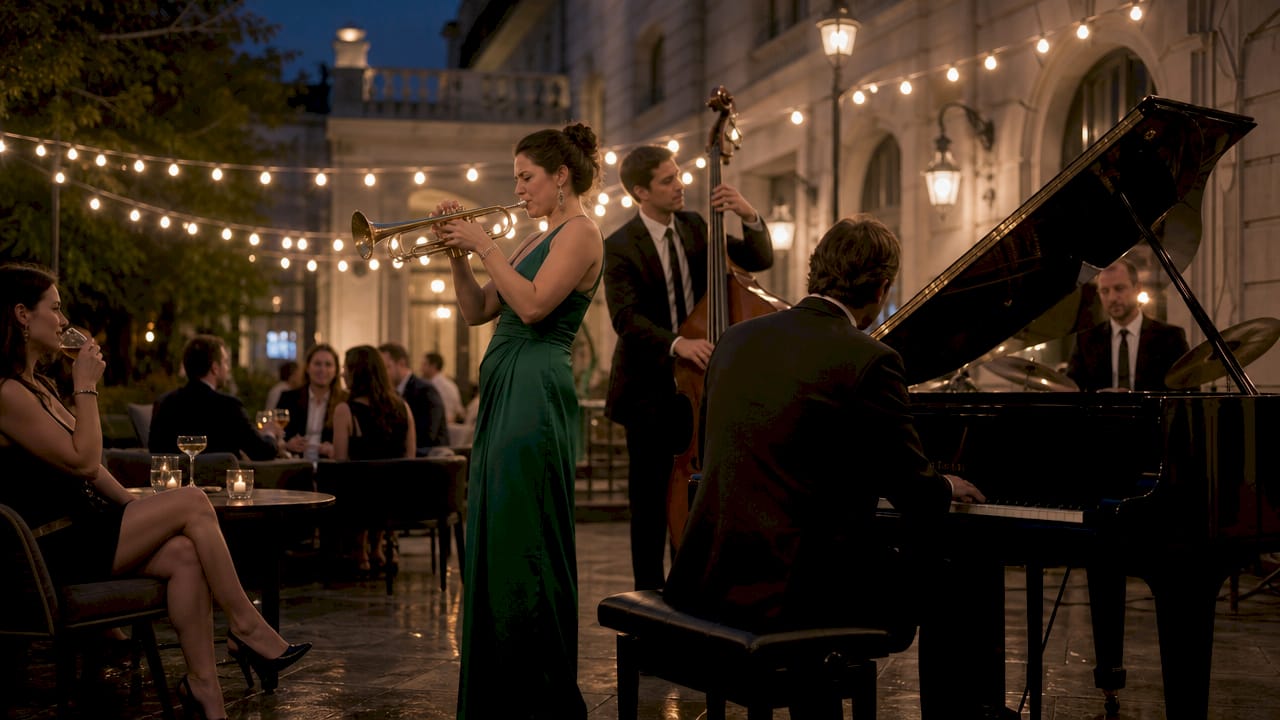
Jazz wedding music is defined by improvisation, rhythmic energy, and a warmth that invites people to relax and connect. Where classical music asks guests to sit and feel, jazz asks them to move, talk, and celebrate. Jazz suits cocktail hours and dinners because it creates an upbeat, sophisticated atmosphere without overwhelming conversation.
The most effective jazz formats for weddings fall into three categories:
Jazz trio (piano, bass, drums): Ideal for cocktail hours and intimate dinners. Flexible enough to play background standards or shift into livelier territory.
Jazz quartet (trio plus saxophone or trumpet): Adds melodic richness. Works well for larger reception spaces where the music needs to carry across the room.
Solo jazz piano: The most versatile option. A skilled pianist can cover everything from Gershwin to Bossa Nova, adjusting energy levels in real time to match the room.
A jazz band energizes receptions and encourages dancing while maintaining a sophisticated atmosphere. That combination is rare. Most music formats force a choice between elegant and lively. Jazz delivers both at once.
The cocktail hour is where jazz earns its place most clearly. Guests are mingling, drinks are flowing, and the formal ceremony tension has lifted. Jazz standards like “Fly Me to the Moon,” “The Way You Look Tonight,” and “Autumn Leaves” create a soundtrack that feels celebratory without demanding attention. For wedding cocktail music, jazz is the genre that most naturally fits the social energy of that hour.
Pro Tip: Give your jazz musician a “do not play” list alongside your request list. Jazz musicians improvise and may pull from a wide repertoire. Specifying songs that feel too casual or too melancholy for your taste saves everyone from an awkward moment.
How do you blend classical and jazz throughout your wedding day?
Successful weddings treat the day as a sequence of moods, using classical for the ceremony and jazz for the reception. That framework solves the “we have different tastes” problem that many couples face. You are not choosing one genre over the other. You are assigning each genre to the moment it serves best.
A practical music timeline looks like this:
Guest arrival and seating (45 minutes before ceremony): Soft classical prelude pieces. Sets a formal, anticipatory tone.
Processional: A single classical piece chosen for emotional resonance. This is the most personal music choice of the day.
Ceremony music (if applicable): Classical interludes during readings or rituals.
Recessional: An uplifting classical piece that signals joy and celebration.
Cocktail hour: Transition to jazz. This is the pivot point of the day.
Dinner reception: Soft jazz standards as background music during the meal.
Dancing and celebration: Livelier jazz, swing, or contemporary arrangements as the evening builds.
The transition from classical to jazz is the moment most couples underestimate. Jarring transitions between formal classical and upbeat jazz can disorient guests. The fix is a buffer. Soft jazz during the cocktail hour acts as a musical bridge between the ceremony’s formality and the reception’s energy. Guests have 30–60 minutes to shift gears emotionally before the full reception begins.
Wedding moment | Recommended genre | Example pieces or style |
Guest arrival | Classical | Bach’s Air on the G String, Debussy’s Clair de Lune |
Processional | Classical | Pachelbel’s Canon, Handel’s Ombra mai fu |
Recessional | Classical | Mendelssohn’s Wedding March, Beethoven’s Ode to Joy |
Cocktail hour | Jazz | Gershwin standards, Bossa Nova, soft swing |
Dinner reception | Jazz | Jazz trio standards, “The Way You Look Tonight” |
Evening dancing | Jazz or contemporary | Upbeat swing, Latin jazz, modern arrangements |
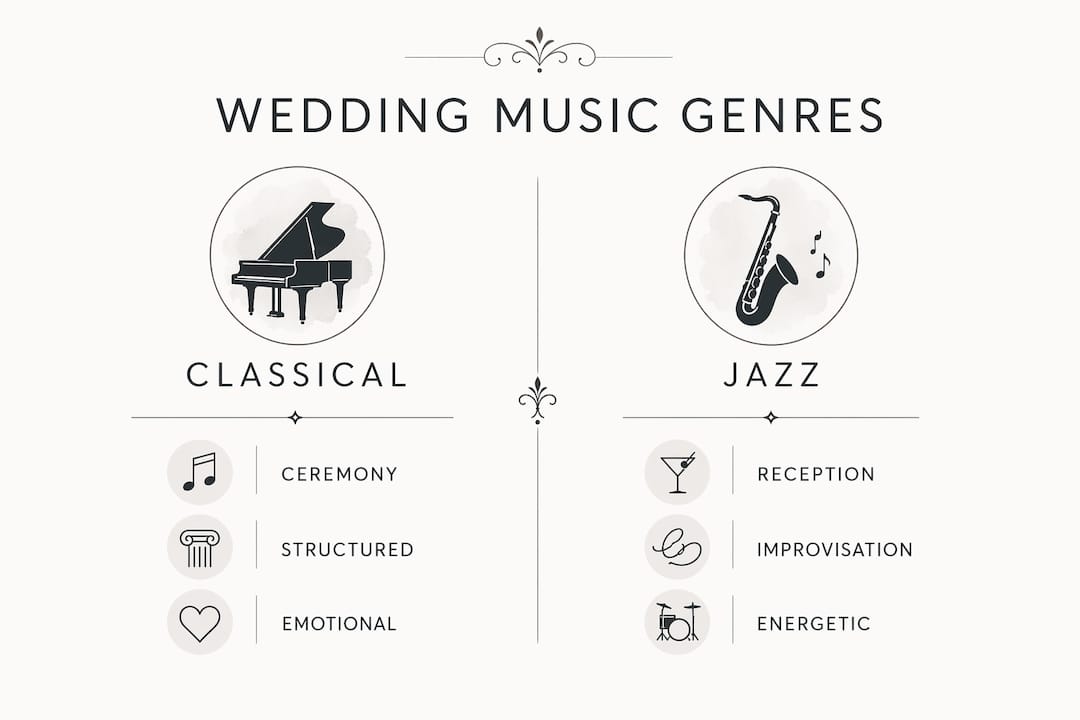
When you and your partner have genuinely different tastes, dividing music by wedding moment lets both of you feel represented. One partner gets the classical ceremony they envisioned. The other gets the jazz reception they wanted. Neither compromises. Both win. For a deeper look at how music shapes every wedding moment, the emotional logic behind this structure becomes even clearer.
Practical tips for booking your wedding musicians
Booking timelines are the most overlooked part of wedding music planning. Popular musicians book 12–18 months in advance, especially for summer dates. That window applies to both classical and jazz performers. If your wedding falls between may and september, start your search at least a year out.
Questions to ask every musician before booking:
Can you provide a full repertoire list for both ceremony and reception?
Do you have experience performing at venues similar to ours?
How do you handle sound in outdoor or acoustically challenging spaces?
What is your policy on learning new pieces we request?
Do you carry your own equipment, or do we need to arrange sound support?
Customizing your music package to your event flow is more effective than picking a generic “wedding package.” A pianist who brings her own instrument, like Platinumpianist does in Southern California, removes one major logistical variable. You know the instrument quality is consistent, and you are not dependent on venue rentals or last-minute equipment issues.
Budget considerations for live music deserve honest attention. Live musicians cost more than a DJ or a playlist. The value is not just sound quality. It is the visual presence, the real-time responsiveness to the room, and the emotional authenticity that a live performance delivers. For luxury wedding entertainment, live music is the single element guests remember and mention most often after the event.
Pro Tip: When reviewing wedding entertainment packages, ask specifically whether the quoted price includes setup, breakdown, and travel. Hidden costs in those three areas are the most common source of budget surprises.
Key takeaways
Classical music owns the ceremony; jazz owns the reception. That single principle resolves most wedding music decisions and honors both genres at their best.
Point | Details |
Classical for ceremony | Use classical pieces for the processional, prelude, and recessional to match the emotional weight of the moment. |
Jazz for social moments | Jazz excels during cocktail hours and dinners, creating energy without overpowering conversation. |
Avoid abrupt transitions | Use soft jazz during cocktail hour as a buffer between the formal ceremony and the lively reception. |
Book 12–18 months early | Top musicians fill their calendars fast, especially for summer weddings. Start your search early. |
Divide music by mood | Couples with different tastes can each claim a phase of the day rather than forcing a single genre compromise. |
What I have learned from playing both genres at weddings
The couples who stress least about music are the ones who stop trying to pick a single genre for the whole day. I have played classical ceremonies that moved guests to tears, then shifted into jazz for the cocktail hour and watched those same guests relax into laughter and conversation. The music did not change the people. It gave them permission to feel different things at different times.
The mistake I see most often is treating the music as decoration rather than as a structural element of the day. When a couple tells me “just play something nice,” I always push back. The processional piece is not background noise. It is the first thing your guests hear when the ceremony begins, and it sets the emotional key for everything that follows. That choice deserves the same attention you give the flowers or the menu.
My honest advice: trust your musician to guide the transitions. A skilled performer reads the room in real time. If the cocktail hour energy is running high, a good jazz pianist will lean into livelier territory without being asked. If the dinner crowd is quieter and more intimate, the music will follow. That responsiveness is what live music offers that no playlist can replicate. Give your musician clear direction on the big moments, then let them handle the texture in between.
— Petra
Platinumpianist: live music tailored to your wedding day
Planning the music for your ceremony and reception is easier when you work with a musician who understands both classical and jazz repertoire at a professional level.
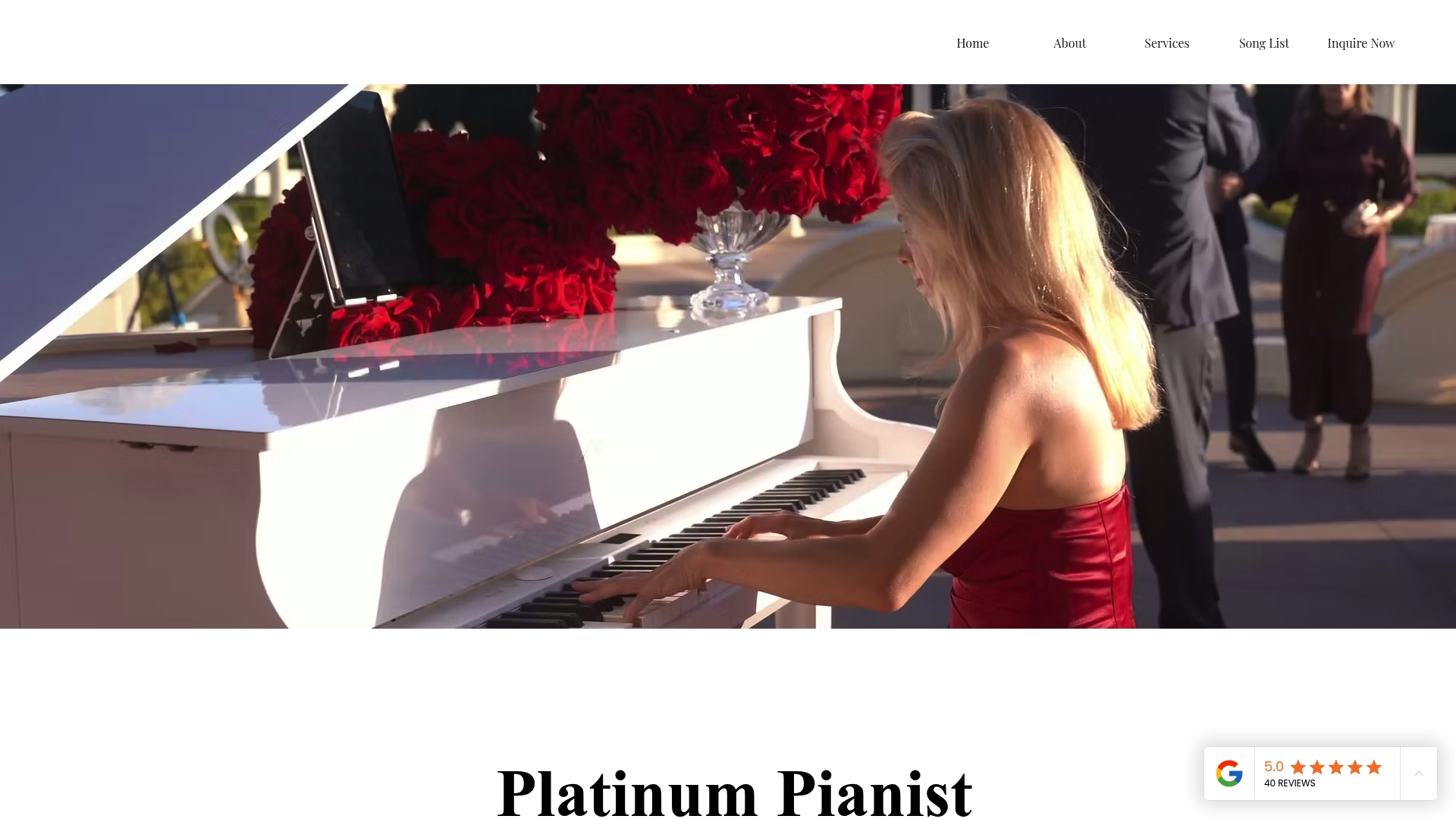
Platinumpianist performs live piano for weddings across Southern California, bringing her own piano to every event. Whether you want a classical processional that stops the room or a jazz cocktail hour that keeps guests mingling, the music is built around your day’s specific flow. Platinumpianist works with couples to plan each musical moment, from the first prelude note to the last reception song. If you are looking for a Beverly Hills pianist who handles both genres with equal skill, the booking process starts with a simple conversation about your vision.
FAQ
What is the difference between classical and jazz for weddings?
Classical wedding music uses composed, structured pieces to create emotional formality, making it ideal for ceremonies. Jazz uses improvisation and rhythmic energy to create a warm, social atmosphere suited to cocktail hours and receptions.
Which music genre is better for a wedding ceremony?
Classical music is preferred for wedding ceremonies because its emotional gravity matches the significance of the moment. Pieces like Pachelbel’s Canon and Handel’s Ombra mai fu are standard choices for processionals.
Can you use both classical and jazz at the same wedding?
Yes. The most effective approach assigns classical music to the ceremony and jazz to the cocktail hour and reception. This structure honors both genres and creates natural mood shifts throughout the day.
How far in advance should you book a wedding musician?
Book your musician 12–18 months ahead, especially for summer dates. Top performers fill their calendars quickly, and waiting until six months out significantly limits your options.
Does Mendelssohn’s Wedding March work in all ceremonies?
Not always. Mendelssohn’s Wedding March has denominational guidelines in some religious traditions. Confirm with your officiant before including it in your ceremony program.
Recommended
