Types of Destination Wedding Entertainment in 2026
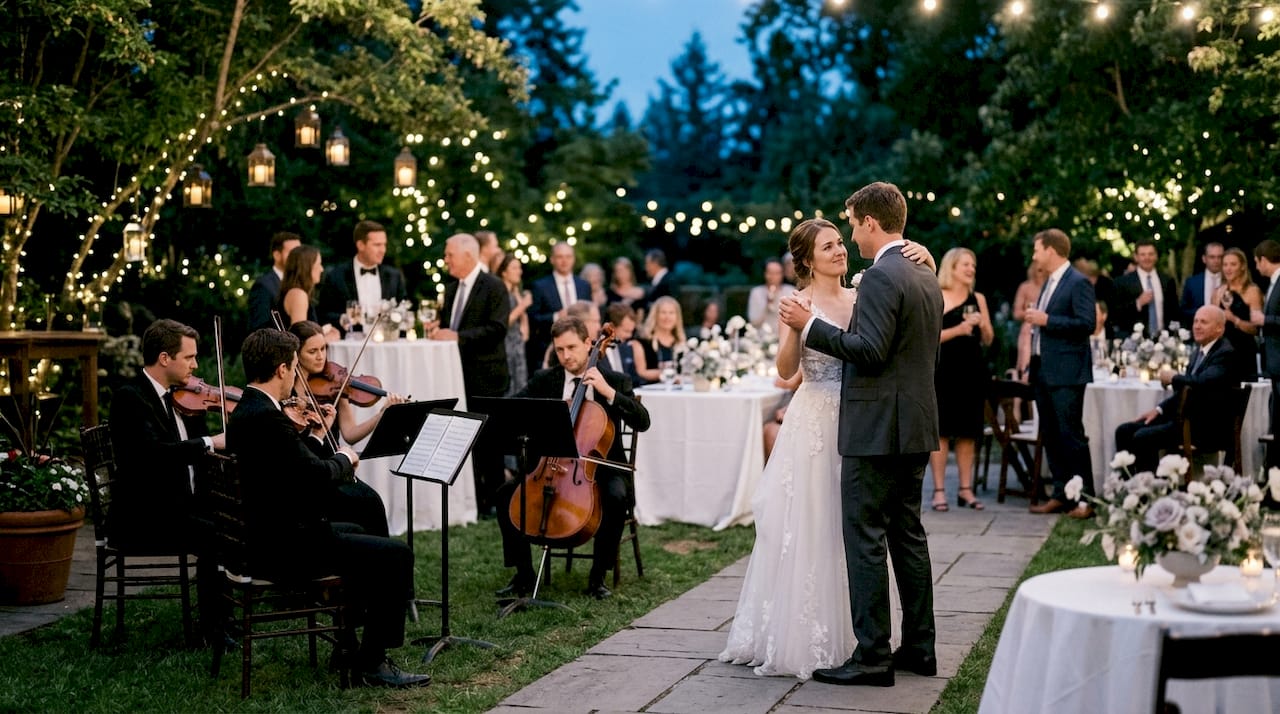
Destination wedding entertainment is defined as the full spectrum of live performances, cultural acts, interactive experiences, and DJ services specifically curated to enhance a wedding held at a remote or travel-based venue. The best destination weddings in 2026 treat entertainment as the event’s backbone, not an afterthought. 82% of couples prioritize atmosphere and guest entertainment over traditional décor, which means your entertainment choices carry more weight than your centerpieces. The types of destination wedding entertainment you select will shape how your guests feel, how long they stay on the dance floor, and what they talk about for years afterward.
1. Types of destination wedding entertainment: live music
Live music for weddings remains the most emotionally resonant entertainment category available to couples. A string quartet during the ceremony, a jazz trio at cocktail hour, and a full band at the reception each serve a distinct emotional purpose. The range is wide: intimate acoustic duos work beautifully for small beach ceremonies, while a 10-piece Latin band transforms a resort ballroom into a full-blown celebration.
Popular live music formats for destination weddings include:
Jazz trios and quartets for cocktail hours and garden ceremonies
Steel drum bands for Caribbean, tropical, and beach settings
Acoustic singer-songwriters for intimate ceremonies under 80 guests
Full cover bands (6 to 12 pieces) for high-energy receptions
String ensembles for ceremony processionals and formal dinners
A cappella groups for unique, production-free performances
Live bands range from $8,000 for a 6-piece group to over $100,000 for a large orchestra, so budget alignment matters early in the planning process. One major advantage of live music is adaptability: a skilled band reads the room and adjusts tempo, energy, and song selection in real time.
Pro Tip: Beach venues often lack mains power, so confirm power availability at least three to six months before your wedding date. Acoustic performers and steel bands are the safest choice when electrical infrastructure is uncertain.
2. DJ and hybrid entertainment for destination weddings
A destination wedding DJ is not simply someone who plays music from a laptop. Destination wedding DJs function as logistics experts and cultural bridges, managing sound systems, venue-specific acoustics, and language barriers that a generic local DJ would not anticipate. They arrive with professional-grade equipment, backup systems, and a working knowledge of international venue requirements.
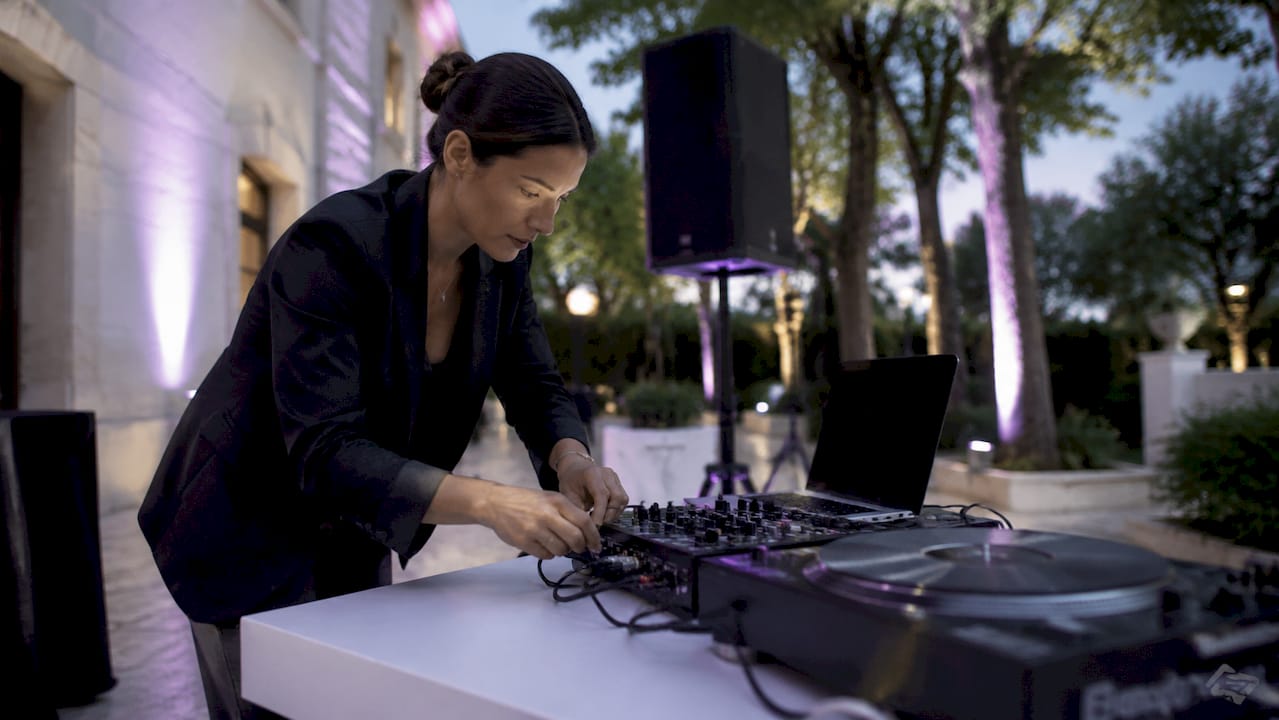
The most exciting DJ trend in 2026 is the hybrid setup. Hybrid entertainment combining DJs with live musicians delivers unmatched energy and crowd engagement, particularly during cocktail hours and late-night parties. A saxophonist or violinist performing live over DJ tracks creates a sound that neither format achieves alone.
Key considerations when booking a DJ for your destination wedding:
Contract hours: Confirm exactly how many hours are included and what overtime costs
Equipment transport: International bookings require customs documentation and gear shipping logistics
Music customization: Request a pre-wedding consultation to build a playlist that reflects your taste
Late-night extensions: Destination weddings often run until 1 to 2 AM, and extra hourly fees past midnight are standard
DJ pricing in 2026 ranges from $3,000 for a skilled professional to $50,000 for a celebrity DJ. That gap reflects experience, equipment quality, and international availability. For couples who want the energy of a live performance without the full cost of a band, the hybrid DJ-musician model is the most cost-effective path to both.
Pro Tip: Ask your DJ for references from at least two previous destination weddings. A DJ who has worked internationally understands permit requirements, power constraints, and the cultural nuances that make or break a foreign venue experience.
3. Cultural and unique performance acts
Cultural performances are the entertainment category most specific to destination weddings, and they are also the most memorable. A fire show on a Mexican beach, a traditional Balinese dance troupe, or a flamenco duo in a Spanish courtyard connects your guests to the place in a way no generic band can replicate.
Fire shows are among the most popular welcome party entertainment options for destination weddings in Mexico and the Caribbean. Performances typically last 20 to 45 minutes and work best on beach or resort deck settings. One critical logistical note: fire show permits often require six months of advance notice, so book early.
Other high-impact cultural and unique performance options include:
Traditional folk dancers tied to the wedding’s destination (mariachi in Mexico, hula in Hawaii, Bollywood dancers in India)
Roaming magicians and illusionists who work the cocktail hour crowd
Live portrait artists who sketch guests as a keepsake activity
Drum circles and percussion ensembles for high-energy transitions between ceremony and reception
Interactive mixologists who teach guests to make a signature cocktail
Entertainment choices should align with the emotional arc of the day rather than function as isolated spectacle. A drum parade works brilliantly as a transition from ceremony to cocktail hour. A fire show lands best as a standalone welcome party centerpiece, not sandwiched between speeches.
“The most unforgettable destination weddings treat each entertainment act as a chapter in a story, not a random highlight reel.” — Gaia Live Music
Pro Tip: Ocean breeze and wind affect outdoor performances significantly. Light props, candles, and delicate instruments are impractical on exposed beach settings. Always confirm a backup indoor option with your venue coordinator.
4. Interactive and activity-based entertainment
Interactive entertainment gives guests something to do rather than something to watch. This distinction matters enormously at destination weddings, where guests have often traveled far and want a full experience, not just a reception. The best destination wedding activities blend social interaction with local culture.
Popular interactive options include group salsa or merengue lessons, guided snorkeling excursions, wine or mezcal tasting sessions, local market scavenger hunts, and sunset yoga on the beach. These activities work especially well as pre-wedding or day-after programming, giving guests structured fun without competing with the main event.
The key to interactive entertainment is optionality. Not every guest wants to join a dance class, and that is perfectly fine. Offering two or three activity choices at the same time respects different energy levels and personalities within your guest group. Couples who plan a mix of guided activities and free exploration consistently report higher overall guest satisfaction than those who over-schedule every hour.
For the reception itself, photo booths with custom props, lawn games like pétanque or bocce, and cigar-rolling stations add texture to the evening without requiring a full performance setup. These low-cost additions fill the gaps between formal entertainment segments and keep energy levels steady throughout the night.
5. Comparing entertainment types: which fits your wedding?
Choosing the right mix of wedding entertainment options depends on three factors: your guest profile, your venue’s capabilities, and your budget. The table below summarizes the four main categories by cost range, complexity, and best-fit scenario.
Entertainment type | Cost range (2026) | Complexity | Best for |
Live band (6-piece) | $8,000 to $100,000+ | High | Large receptions, high-energy crowds |
DJ (professional) | $3,000 to $50,000 | Medium | Late-night dancing, music variety |
Cultural/unique acts | $1,500 to $10,000 | Medium to high | Destination-specific atmosphere |
Interactive activities | $500 to $5,000 | Low | Multi-day events, diverse guest ages |
A guest list with a wide age range benefits most from a live band during dinner and a DJ for late-night dancing. Younger, more homogeneous groups often prefer the hybrid DJ-musician setup from start to finish. Cultural acts work for almost any crowd when timed correctly as transitions rather than headline acts.
Entertainment contracts involve international travel, customs, and work permits, so treat the booking process like project management. Create a master logistics document for each performer that includes travel dates, equipment lists, venue access times, and emergency contacts.
Pro Tip: Build at least one acoustic or unplugged entertainment option into your program. If a power failure occurs at an outdoor venue, an acoustic guitarist or pianist can hold the room while the technical issue is resolved.
Key takeaways
The most effective destination wedding entertainment combines live music, cultural performances, and interactive activities timed to match the emotional flow of the day.
Point | Details |
Live music sets the emotional tone | Choose band size and genre based on venue size and guest energy, not just personal preference. |
Hybrid DJ setups lead 2026 trends | Pairing a DJ with a live saxophonist or violinist delivers energy that neither format achieves alone. |
Cultural acts require early permits | Fire shows and regional performers often need permits booked six months in advance. |
Power logistics are non-negotiable | Confirm electrical infrastructure at beach and outdoor venues before finalizing any performer contract. |
Match entertainment to the event arc | High-impact acts work best as transitions, not standalone interruptions to the reception flow. |
Why entertainment sequencing matters more than the acts themselves
I have played hundreds of weddings, and the single biggest mistake I see couples make is treating entertainment as a checklist rather than a narrative. You book the fire show, the band, the DJ, and the cultural dancers, and then you wonder why the evening feels disjointed. The acts are great individually, but they never build on each other.
What actually works is thinking about your wedding day as a story with a beginning, middle, and end. The ceremony sets the emotional foundation. The cocktail hour should feel like a warm exhale, not a performance. The reception builds energy progressively, with the highest-impact entertainment landing at the peak of the evening, not the opening. When I perform live piano during a cocktail hour, I am not competing with conversation. I am creating a backdrop that makes the room feel more alive without demanding attention.
The couples who get this right are the ones who hire a wedding entertainment specialist rather than just individual vendors. They think about transitions. They ask how each act hands off to the next. They consider what their guests will feel at 9 PM versus midnight. That level of intentionality is what separates a wedding people remember from one they merely attended.
One practical note: do not underestimate the value of a quiet moment. Not every minute needs a performance. Some of the most powerful memories from destination weddings come from a single musician playing softly while guests watch the sunset. Restraint is its own form of entertainment.
— Petra
Live piano entertainment for your destination wedding
Platinumpianist brings a level of elegance and personalization to destination wedding entertainment that few performers can match. Whether you need a refined ceremony soundtrack, a sophisticated cocktail hour atmosphere, or a show-stopping reception performance, Platinumpianist delivers live piano for weddings with the flexibility and professionalism that destination events demand.
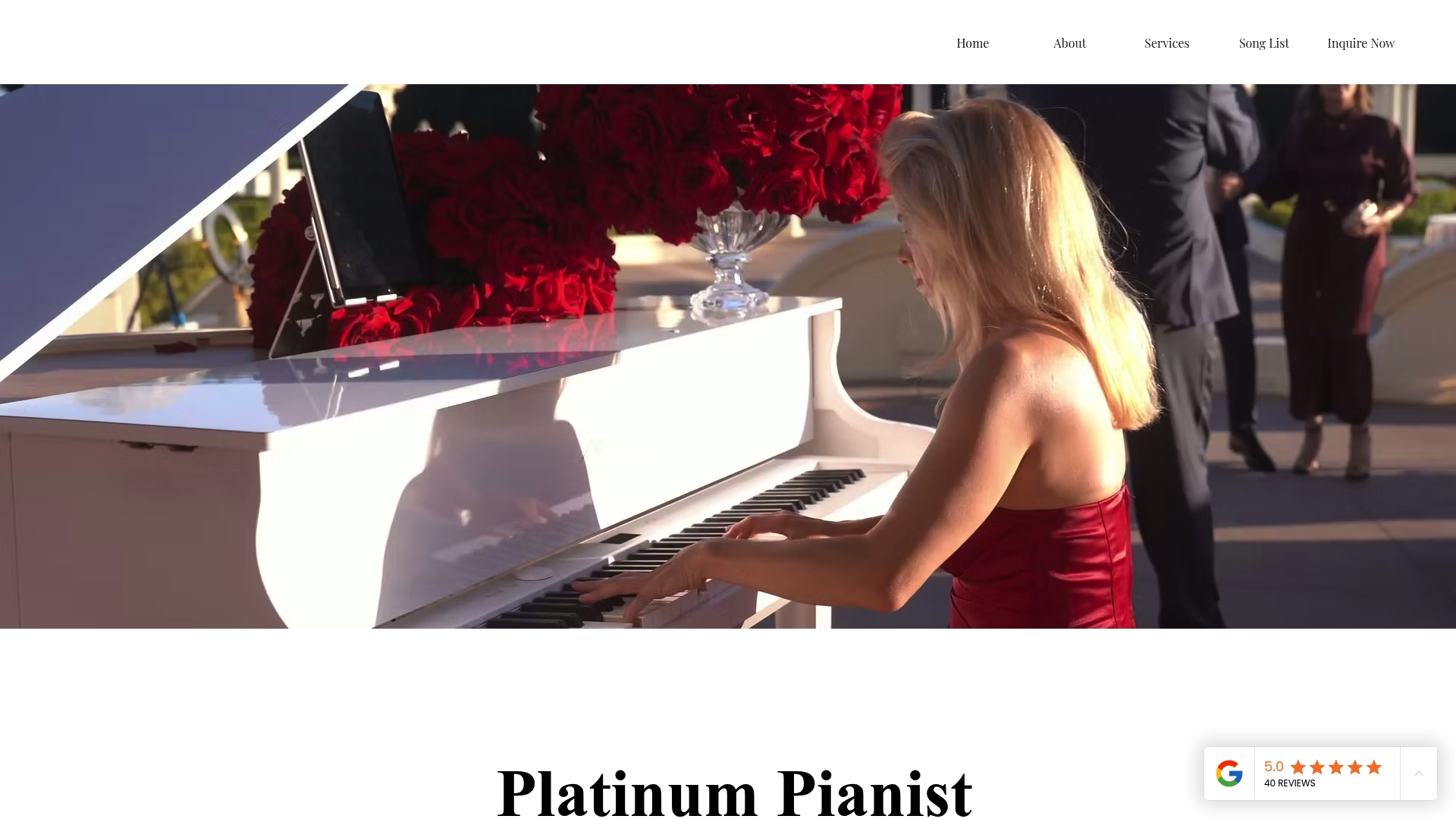
Platinumpianist performs throughout Southern California and travels with her own piano, removing one of the biggest logistical headaches of destination wedding planning. From Beverly Hills estates to coastal resort venues, the performance adapts to your setting, your guest list, and your vision. If you are ready to add world-class live music to your wedding day, explore Platinumpianist’s wedding services and start building your entertainment program today.
FAQ
What is destination wedding entertainment?
Destination wedding entertainment includes all live performances, DJ services, cultural acts, and interactive experiences planned for a wedding held at a travel-based or remote venue. It differs from standard wedding entertainment because it requires additional logistics planning around travel, permits, power supply, and local regulations.
How much does live music cost for a destination wedding?
Live bands range from $8,000 to over $100,000 depending on group size, while DJs range from $3,000 to $50,000. Specialty cultural acts and unique performances typically fall between $1,500 and $10,000.
What are the most popular entertainment options for beach weddings?
Steel drum bands, acoustic performers, fire shows, and hybrid DJ-musician setups are the most popular choices for beach and outdoor destination weddings. These formats handle open-air acoustics and variable power supply better than large amplified bands.
How far in advance should I book entertainment for a destination wedding?
Book your primary entertainment at least 12 months in advance for destination weddings. Cultural acts requiring permits, such as fire shows, need a minimum of six months for permit processing alone.
Can a DJ and live musician perform together at a destination wedding?
Yes. Hybrid setups combining DJs with live instrumentalists are one of the fastest-growing trends in 2026 wedding entertainment. A saxophonist or violinist performing over DJ tracks creates a dynamic sound that works across cocktail hours, dinners, and late-night receptions.
Recommended


